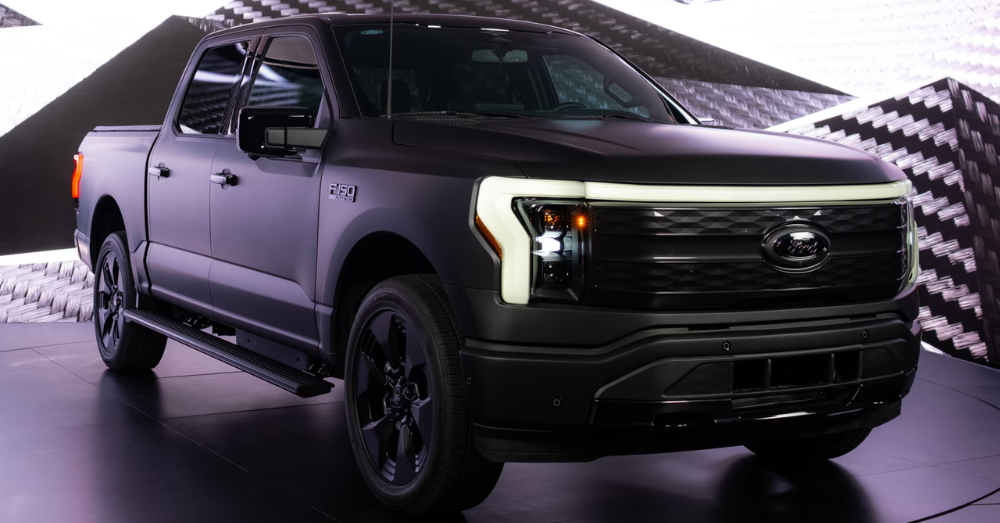
Pull up to any construction site these days and you might spot something different parked next to the diesel work trucks. Electric pickups are showing up with increasing frequency, and contractors who’ve made the switch aren’t looking back. The reason is simple: these trucks bring real work capability without the noise, fumes, or constant trips to the pump.
- Electric trucks offer instant torque for hauling and towing while cutting fuel costs by more than half compared to diesel alternatives.
- Built-in power systems can run job site equipment directly from the truck’s battery, replacing noisy generators on remote locations.
- Lower maintenance requirements mean fewer shop visits and more time on the clock for contractors and fleet operators.
Power Where You Need It
Here’s what makes these trucks click for professionals: they run quiet, fire up right away, and pack serious punch. The Ford F-150 Lightning puts out 580 horsepower with its extended range battery. That’s more muscle than most V8 engines. One contractor running three gas trucks told Edmunds he was burning through $9,000 a year on fuel alone. Three weeks after buying a Lightning, he couldn’t stop talking about one-pedal driving and how fast the thing moves.
Speed gets attention, but the real advantage shows up when you need power. Ford’s Pro Power Onboard system turns your truck into a mobile power station. You get up to 9.6 kilowatts available through multiple outlets in the bed, cab, and under the hood. That means you can run saws, drills, compressors, and lighting without hauling a generator. On sites without grid power, this setup is gold. The truck monitors its own charge and adjusts available power so you won’t get stranded.
The Numbers Tell The Story
Operating costs drop fast with electric power. Take a typical scenario: driving 1,250 miles monthly in a diesel truck getting 25 mpg costs about $175 at current fuel prices. The same distance in a Lightning runs roughly $84 in electricity. That’s over $1,000 saved annually, and commercial rates for overnight charging can push savings even higher.
Maintenance costs follow the same pattern. With no oil changes, transmission service, or exhaust system repairs, Ford estimates 40% lower maintenance costs compared to internal combustion engines. Electric motors have fewer moving parts, which means less can break. For fleet managers watching bottom lines, those numbers add up quick.
How Electric Pickups Handle on the Job Site
Range is where things get real. The F-150 Lightning offers up to 320 miles on its extended battery, while the Chevy Silverado EV Work Truck pushes 450 miles. Most commercial fleet data shows typical daily drives under 200 miles, so these trucks fit the work pattern. Charging overnight on a 240-volt line tops off the battery for the next day.
Towing is different though. Hook up a loaded trailer and range drops fast, sometimes by half or more depending on weight and terrain. For contractors who tow heavy equipment daily over long distances, this limitation matters. But for local hauling and job site work, the numbers still work.
Real World Feedback
The Lightning Pro starts under $40,000 before incentives, putting it within reach for many buyers. That commercial-grade version uses durable vinyl and rubber materials built for daily abuse. The mega power frunk (that’s the front trunk where the engine used to be) holds 400 pounds and includes a drain for easy cleanup after messy days.
Sunbelt Rentals ordered 700 Lightning trucks for their fleet. Companies making that kind of commitment aren’t gambling on untested technology. They’re seeing the math work in their favor.
The Chevy Silverado EV brings its own advantages. That folding midgate opens the bed into the cab for hauling items up to 10 feet long. The work truck version keeps things simple and tough, designed for durability rather than luxury. Multiple contractors testing the Silverado describe it as feeling like a traditional heavy-duty American truck, just quieter and faster.
Rivian’s R1T appeals more to adventure seekers than daily work crews. The interior’s too nice for constant construction duty, and the carpeted gear tunnel doesn’t love dirty tools. It shines as a lifestyle truck with work capability rather than a dedicated work truck. The composite bed material scratches easily under heavy use, something several owners noticed after just a few hauls.
Making The Switch Make Sense
For dealerships talking to potential buyers, the conversation starts with use case. Does the truck stay local? Perfect fit. Long highway towing daily? Maybe wait for bigger batteries or stick with diesel. Need job site power? The built-in outlets beat dragging a generator around.
Test drives help close the deal. Let contractors feel that instant torque, experience the quiet ride, and plug in some tools. Most people who drive these trucks for a week start calculating how much they’ll save over their current rig. Share real operator feedback alongside spec sheets. Connect buyers with other local contractors already running electric to hear honest experiences.
The technology keeps improving. Battery chemistry is getting better, charging speeds are climbing, and more models hit the market every year. Electric pickups aren’t replacing every work truck tomorrow, but they’re carving out a solid spot in the commercial vehicle world. For the right applications, they bring capability that meets or beats what contractors need while cutting operating costs by serious margins.