Most car shoppers don’t know what a trim level is until they’re sitting in the finance office wondering why the version they wanted costs $4,000 more. That confusion is your opening. The dealers doing this well are already showing up during the research phase, when buyers are still forming opinions and still Googling the same questions they’ll eventually bring to a showroom.
- Short-form comparison content performs well because it answers a specific question buyers already have before they walk through the door.
- Visual formats like side-by-side graphics and quick explainer videos get more shares than text-only posts, especially on platforms like Instagram and Facebook.
- Breaking a vehicle’s trim lineup into a simple content series gives your social calendar built-in structure without running out of ideas.
Why Trim Level Posts Work
People shopping for a new vehicle spend a lot of time staring at the same model in five different configurations, trying to figure out what they actually get for the price difference. A lot of that confusion lives on the manufacturer’s website, buried under spec tables and package names nobody remembers.
When your dealership steps in with a clean, simple explainer on social media, you’re answering a real question that the buyer is already Googling. That kind of post gets saved, shared, and revisited in ways a generic “come test drive today” post never will.
Three Formats That Actually Get Traction
You don’t need a production crew or a big ad budget to make trim content work. Three formats do most of the heavy lifting.
Side-by-side graphics are the easiest starting point. Pick two adjacent trims, list three or four of the most noticeable differences between them, and let the visual do the work. Keep the text short. Buyers want to scan, not read. Something like “Base vs. Sport: here’s what changes” will stop the scroll faster than a paragraph of specs.
Short explainer videos work especially well for trims with real visual differences. A 45-second clip showing the interior of the base model next to the top trim tells a story that a graphic can’t. You don’t need perfect lighting or a script. Authentic walkthroughs shot on a phone regularly outperform polished ads because they feel like something a friend is showing you, not something you’re being sold.
Countdown or ranked posts are a third option that generates comments. “Ranking every trim from most popular to best value” practically writes itself, and people love to disagree with rankings in the comments. That engagement is good for reach and gives you a sense of what your audience actually cares about.
Using a Real Lineup as Your Content Framework
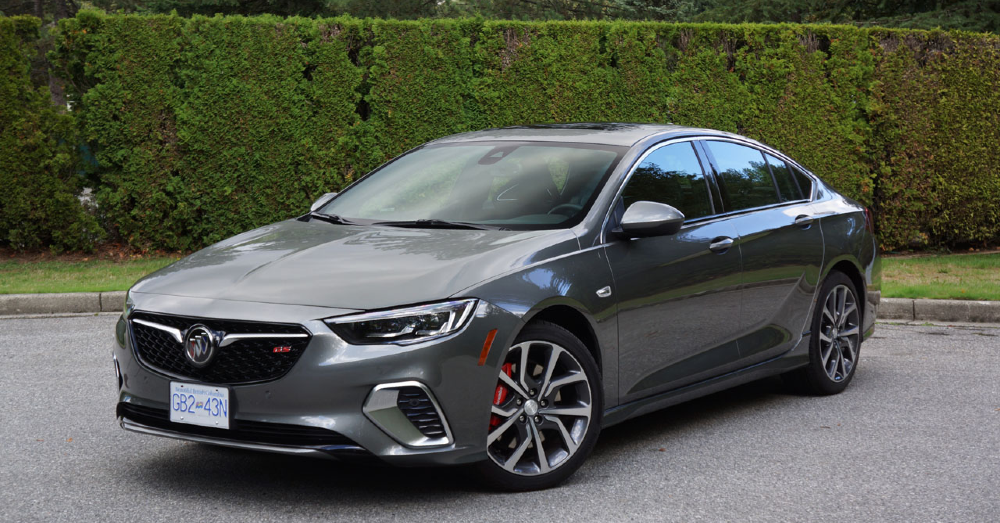
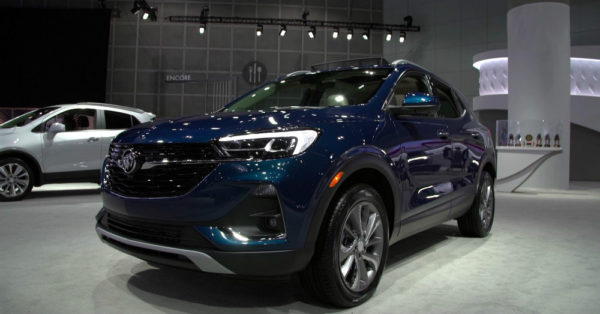
Take the Buick Enclave trim levels as a working example. The Enclave runs from a well-equipped base trim up through several steps, each adding tech features, exterior details, or interior upgrades. Rather than throwing that whole lineup at your audience at once, you can build a short series around it: one post introducing the lineup, one comparing the value-oriented trims, one focusing on the top trim for buyers who want everything. That’s three pieces of content from one vehicle without repeating yourself.
This approach works across any brand. The point isn’t to become an encyclopedia. It’s to show up with useful, digestible answers to questions your buyers are already asking.
Making the Content Easy to Produce Consistently
The biggest reason dealerships don’t post more trim content is time, not ideas. Building a simple template helps. Pick a consistent layout for your graphics, a consistent tone for your captions, and a loose posting schedule you can actually stick to. Once the format is set, filling it in gets much faster.
It also helps to batch your content by model. If you spend an afternoon building out four or five posts around one vehicle’s trim lineup, you’ve covered that model for weeks. Rotate through your inventory this way and you’ll rarely run out of material.
Where to Put Your Energy First
Start with your top-selling model or whatever vehicle you have the most inventory on right now. Build one comparison graphic, shoot one short walkthrough video, and see how your audience responds. Trim level content tends to earn more saves and shares than most other dealership posts, and saves in particular signal that someone is coming back to that information later, which is exactly the kind of buyer you want to stay in front of.
The dealers who get the most out of this type of content treat it like a service, not a sale. Explain the difference, show the trade-offs, and let buyers make up their own minds. That honesty builds trust a lot faster than a call to action ever will.