Most truck shoppers have already made up their minds before they ever shake a salesperson’s hand. They watched the walkarounds, paused on the reviews, and read what real owners said online. By the time they walk in, they have a trim picked and an opinion ready.
- Buyers spend around 14 hours researching online before visiting a dealership, and video shapes much of that time.
- Each social platform rewards a different style of content, so one clip rarely fits all of them.
- Local, human dealership videos often do the heavy lifting that turns interest into a booked test drive.
The car-buying journey now kicks off on a phone, not a forecourt. Roughly 86% of automotive buyers research online before they purchase from a dealer, and 44% point to social media as the most influential factor for discovery. Among recent buyers, that figure climbs to 64%. So if your dealership isn’t showing up in those early scroll sessions, you’re missing the moment when shortlists get made.
Why Short Video Does the Convincing
Spec sheets don’t move people the way moving pictures do. About 75% of automotive buyers say video influences them during research, and engagement runs higher on video-first platforms like TikTok and Instagram. That makes sense, because trucks are visual and aspirational, and shoppers want to see more than a vehicle parked on a lot.
Short clips give you a fast, low-friction way to show the stuff a brochure can’t. Think interior space and seat flexibility, how the infotainment actually responds, towing and off-road capability, and quick side-by-side trim comparisons. A 48-second phone video shot inside the cab can pull in hundreds of interested viewers without any big production budget. That’s the appeal. It feels real, it feels useful, and it answers the question a buyer is already asking.
Match the Content to the Platform
Posting the same clip everywhere is a quick way to waste good footage. A long horizontal video built for YouTube can fall flat on TikTok, where unpolished and native always wins. So tailor the cut to where it lives.
On TikTok, lean into discovery. Walkarounds, POV drives, quick feature demos, and a simple “three things I love about this truck” format feel right at home. Instagram is your storytelling stage, so use Reels and sharp visuals to play up design and lifestyle. Facebook works for local engagement, like inventory updates, service reminders, and community posts. And YouTube is built for the deeper consideration phase, where reviews, comparisons, and full test-drive videos help a serious shopper commit.
Reddit deserves a mention too. Auto communities pull in over 5 billion monthly views, and that’s where buyers go to validate a decision with other owners. Listening to those honest, detailed threads tells you exactly what concerns to address in your next clip.
Where Premium Models Fit In
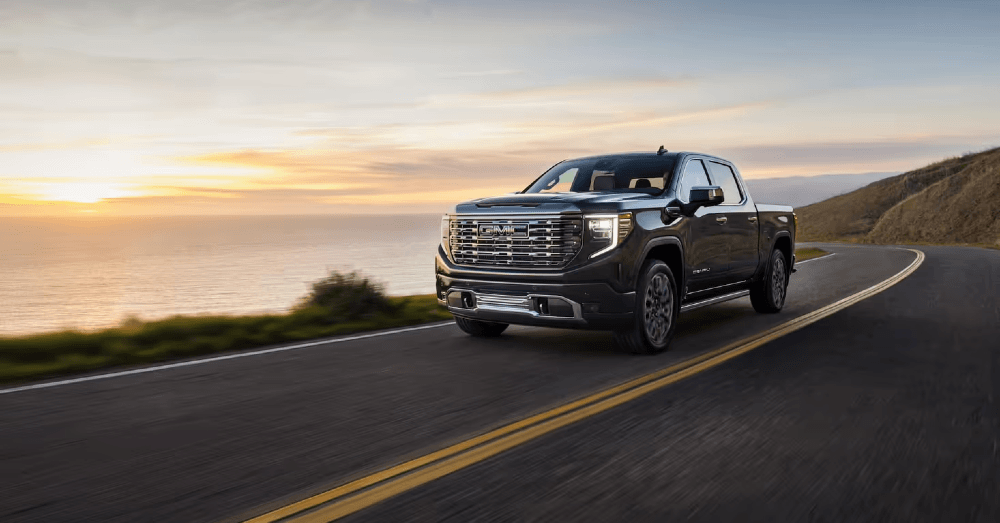
High-end trucks reward this approach because the details are the whole pitch. Take a loaded flagship like the 2025 GMC Denali Ultimate. A buyer eyeing that kind of money wants to see the cabin, the materials, and the way everything comes together before they ever set foot on a lot. A polished factory campaign builds the dream, but a sales associate filming a genuine handover or a hidden-feature reveal is what makes a shopper pick up the phone.
That balance matters. Brand-level content keeps things consistent and aspirational, while local dealership content keeps things human. Younger buyers especially respond to authenticity, with 42% of Gen Z and 38% of Millennials saying a post’s look affects whether they buy. User-generated clips and owner reviews carry weight that no ad read can match, because they come from people the audience already trusts.
From Scroll to Shopper Confidence
Views can be useful, but the better measure is informed interest. When shoppers have already seen the cabin, watched a feature demo, and read owner-style feedback, they can compare premium trucks with clearer expectations. Clear captions, platform-native edits, and responsive comment sections help that research feel practical without turning the blog post into a sales pitch.
What the Best Clips Prove
The larger lesson is simple: premium truck content works best when it helps shoppers picture ownership before they ever contact a dealer. Useful walkarounds, honest owner-style clips, and platform-specific edits give readers a clearer way to judge features, value, and fit without turning the article into a hard sales pitch.