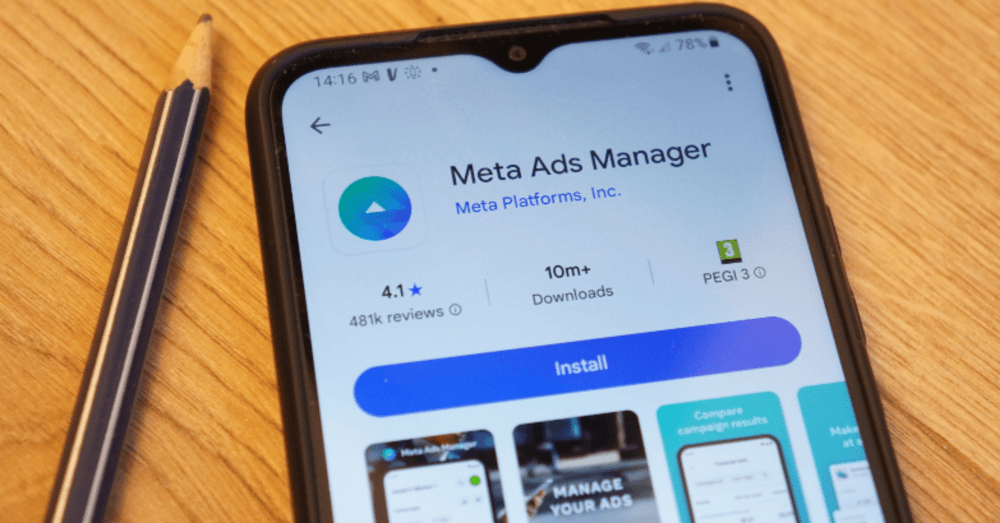
Your sales team films a quick walkaround of a fresh trade-in, posts it to social, and gets back to work. Google may now pick up that same clip and put it in your Performance Max ads without anyone on your team pressing a button. For dealers, that’s a handy shortcut. It’s also a good reason to look hard at what your creative library says about your store.
- Performance Max has new settings that let Google pull images from your landing pages and videos from your website, YouTube channel and social media.
- Video sourcing is on by default, can add up to ten videos per asset group, and can only be turned off one campaign at a time.
- Starting December 4, 2026, new Performance Max campaigns will pull landing page images by default, even if dynamic images are off for the whole account.
What Google Changed in Performance Max
Performance Max is the Google Ads campaign type where Google’s AI picks the ads, placements and assets people see across Google. Around October 22, advertisers found two new settings, Landing page images and Sourced videos, with no formal announcement from Google.
Landing page images lets Google take pictures from the page your ad sends people to. Sourced videos pulls video from your website, YouTube channel and social accounts, adding up to ten clips per asset group.
Both options are on by default, and video sourcing can only be switched off campaign by campaign. From December 4, 2026, every new Performance Max campaign will have image extraction on, even in accounts where dynamic images were turned off.
Why This Matters for Dealership Creative
For a long time, expensive shoots kept a lot of advertisers away from video. Then user-generated content gave brands a cheaper option. Google’s Veo tool can also generate video ads for Performance Max and Demand Gen campaigns, so the push toward more video is clear.
Most dealers already have plenty of short-form content, like walkarounds, delivery day clips, service lane tips and staff intros. If it lives on your site, YouTube channel or social pages, Google can now use it in paid placements, without you booking a separate shoot.
The catch is control. Performance Max already offers less control than a standard search campaign, and letting Google choose your creative adds another layer of automation. A clip of a car that sold three weeks ago, a photo with an expired offer banner, or a goofy video made for your followers could end up somewhere you never planned.
Keeping Paid Social and Google Ads on the Same Page
Creative consistency matters more now. If your social posts are current, accurate and on brand, Google pulling them into ads works in your favor. A shopper seeing your walkaround on social and then YouTube gets one clear picture of your store.
A few habits help.
- Audit your landing pages. Google can grab images from the page an ad points to, so clear out stale offer graphics, sold units and blurry photos.
- Clean up your video channels. Old or off-brand clips on your site, YouTube or social pages could become ads, so archive anything you wouldn’t want in a paid spot.
- Decide one campaign at a time. Video sourcing turns off at the campaign level, so review each campaign separately.
- Check every new campaign after December 4. Check image settings on each new build, even if you’ve turned dynamic images off before.
- Review your assets often. Watch which images and videos end up in your campaigns and pull anything that misses the mark.
It also helps to get your social and paid search people talking. Whoever posts organic content and whoever runs Google Ads should agree on the look, the messaging and which offers are live, since Google can now pull from both.
Treat Your Social Feed Like Ad Inventory
Organic social content and paid Google creative now share a lot of the same ground. That’s good news if your content is fresh and on brand, and a problem if it isn’t. Review what lives on your website, YouTube channel and social accounts, then decide which Performance Max campaigns should use sourced assets. A little cleanup before December 4 keeps Google’s automation working for your store instead of against it.